English
 Deutsch
 Español
 Français
 Italiano
 日本語
日本語 Русский
 中文
中文
Sustainable Solutions: Biodegradable 3D Printing Materials and Services
- Published November 06 2025 - Updated August 24 2026
Let’s explore the eco-friendly 3D printing material.
In recent years, many industries are exploring sustainable develop ways, and 3D printing is no exception. As the blossoming realization of the negative environmental impact of traditional manufacturing processes, biodegradable 3D printing materials and services offer a new solution.
1. WHAT ARE BIODEGRADABLE 3D PRINTING MATERIALS?
Biodegradable 3D printing materials can degrade naturally over time. This helps to reduce their negative impact on environment. Not like the usual plastics, which take hundreds of years to degrade, biodegradable materials are derived from renewable resources. Under the right conditions, they can break down into harmless substances.
2. COMMON BIODEGRADABLE MATERIALS
- PLA (Polylactic Acid): PLA is derived from corn starch or sugar cane. It is one of the most popular biodegradable materials. This material is easy to print with and manufactures high-quality prints, making it a favorite among both hobbyists and professionals.
- PHA (Polyhydroxyalkanoates): This material is produced by microorganisms and is highly biodegradable. Compared with PLA, PHA offers greater flexibility and durability.
- PBS (Polybutylene Succinate): PBS is another biodegradable alternative material, although it is less commonly used. This material offers good thermal stability and mechanical properties.
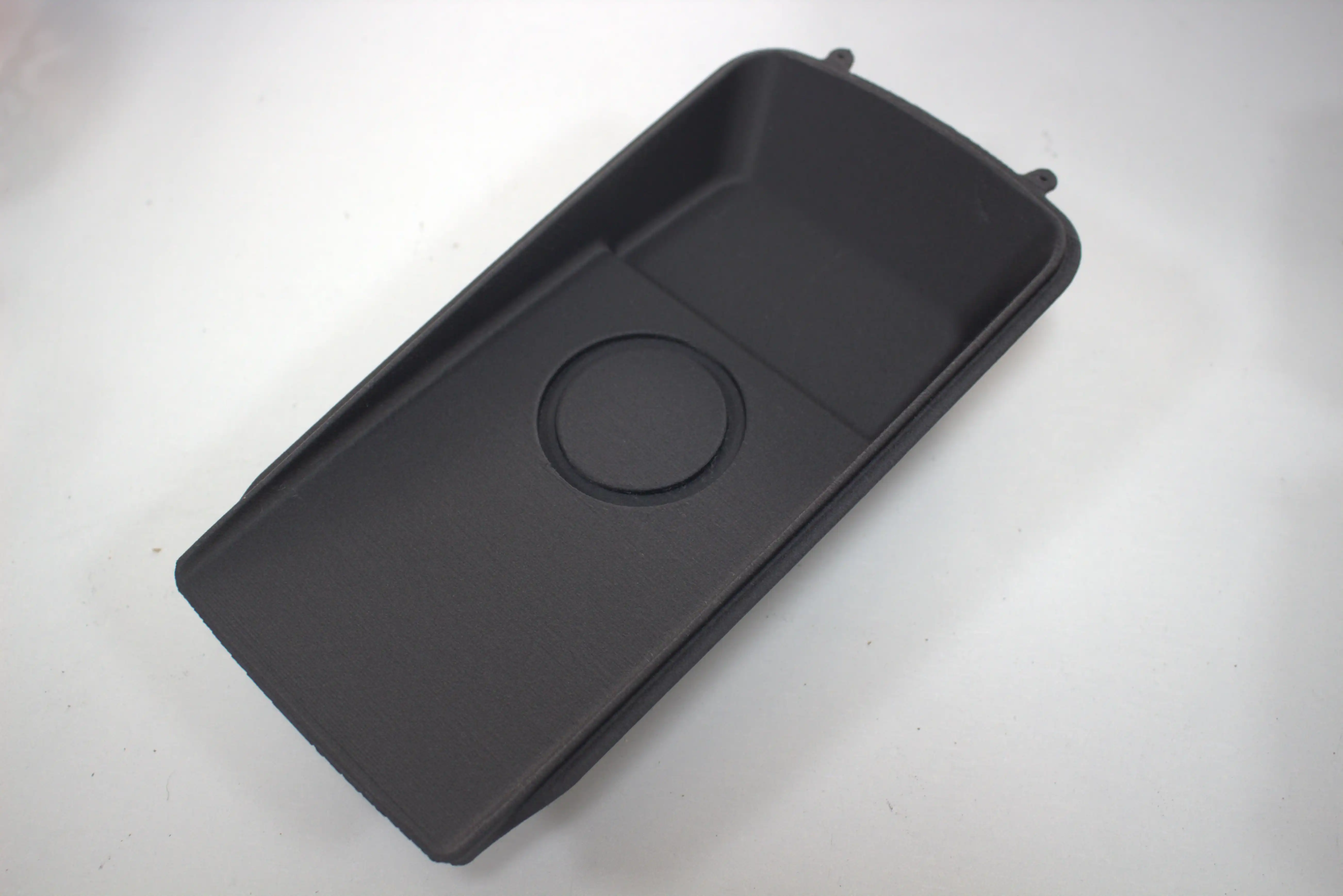
- PA2200(PA12): PA2200 is a powder-based biodegradable material (Polyamide 12). It is commonly used in selective laser sintering SLS 3D printing. This material offers good mechanical properties, high chemical resistance, and is both lightweight and durable.
- PEEK: PEEK (Polyether Ether Ketone) is a high-performance thermoplastic polymer. It offers outstanding strength, high chemical resistance, biodegradability and good thermal stability. It is usually used in high temperatures and harsh environments. PEEK is renowned for its excellent mechanical properties and is regarded as one of the most durable engineering plastics. PA2200 is an great choice for manufacturing functional prototypes and is also suitable for end-use components.
- ABS-M30i: ABS M30i is a robust, FDA-compliant additive manufacturing thermoplastic material. It is suitable for use in industries where safety, durability and regulatory compliance are essential. This standard ABS (Acrylonitrile Butadiene Styrene) material is specially made to meet the strict requirements of the medical, food and pharmaceutical industries.
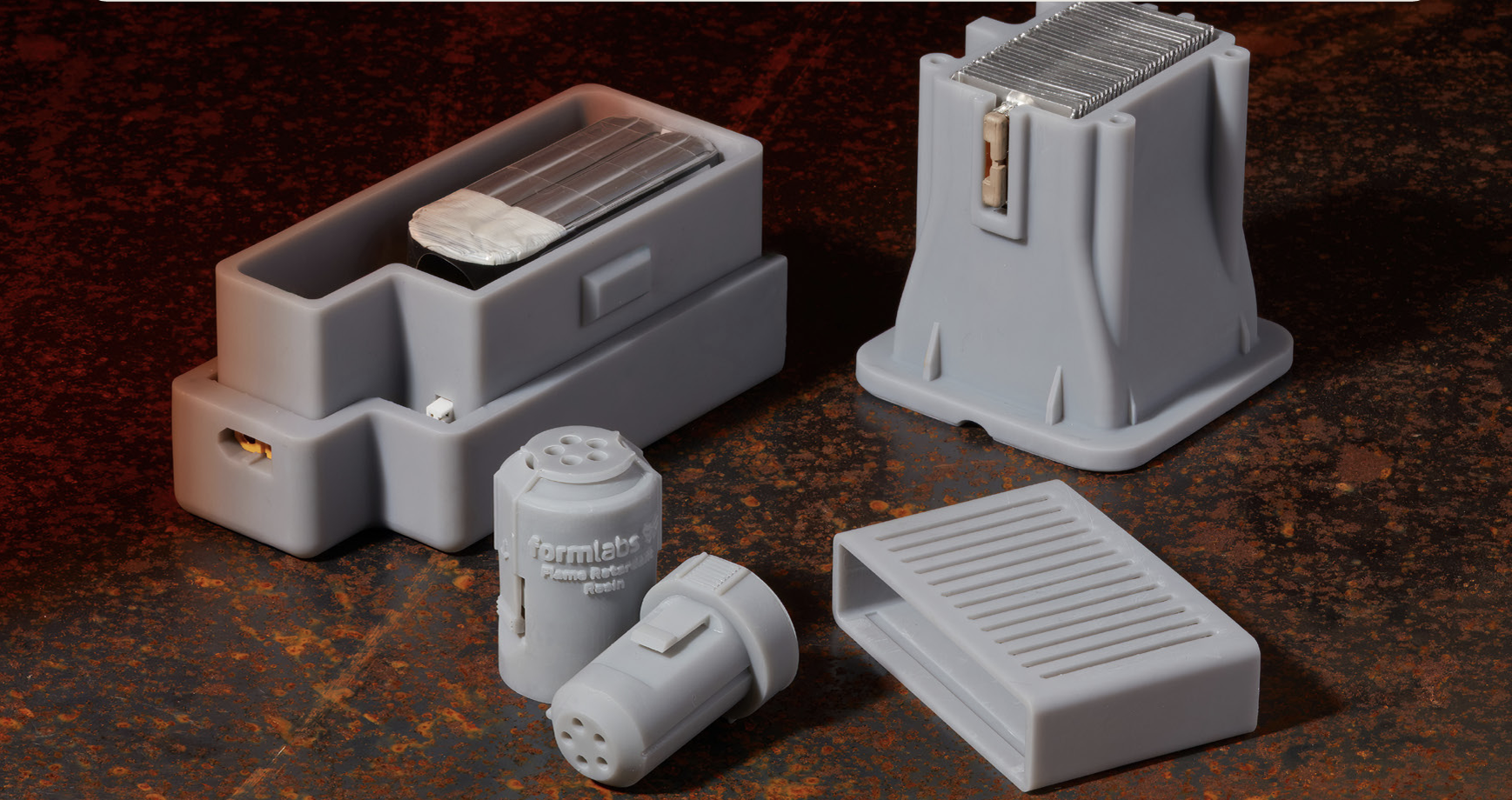
- PPSU: PPSU (Polyphenylsulphon) is a high-performance thermoplastic polymer. PPSU combines excellent mechanical properties with resistance to highly corrosive chemicals, extreme temperatures and stress. As a member of the sulphone polymer family, it is particularly well suited to harsh environments.
3. ADVANTAGES OF BIODEGRADABLE 3D PRINTING MATERIALS
The use of biodegradable 3D printing materials can significantly reduce plastic waste in landfills and the oceans. Biodegradable materials can be used in all sorts of ways, from prototyping to the manufacture of consumer products. Many of the biodegradable materials used in the additive manufacturing industry are derived from renewable resources, helping to promote a circular economy.
4. BIODEGRADABLE 3D PRINTING SERVICES
Nowadays, with the growing demand for green ways, many companies are beginning to offer options for design and prototyping using biodegradable materials, thereby enabling the development of environmentally friendly products. Some companies also open workshops to educate people on the benefits of adopting sustainable practices in additive printing. Some companies’ services even include recycling projects for waste biodegradable materials, ensuring that these materials are recycled.
5. REAL-WORLD APPLICATIONS
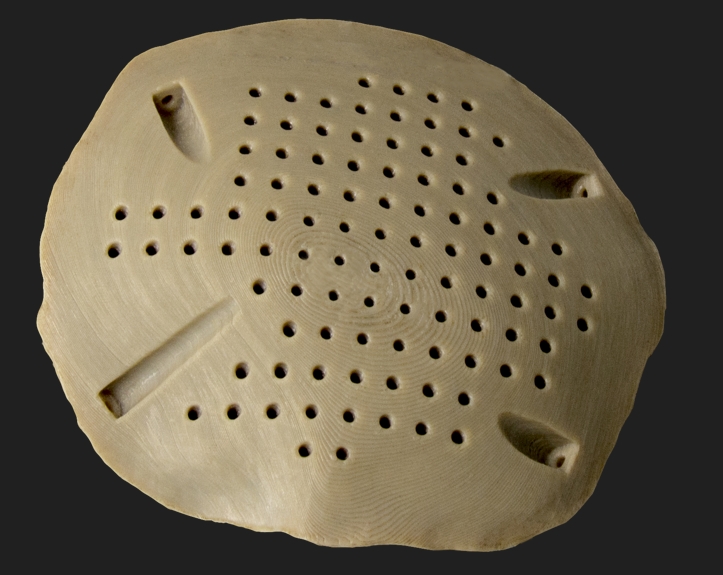
Biodegradable 3D printing materials are creating a buzz across various sectors. In the medical industry, biodegradable materials can be used to manufacture temporary implants or scaffolds. They can dissolve naturally in patient’s body, so there is no need for a second operation to remove them. Furthermore, many packaging companies are exploring biodegradable 3D-printed packaging solutions that are both practical and environmentally friendly. From toys to household goods, biodegradable materials are widely used in consumer products. This trend is proving particularly popular with environmentally conscious consumers.
6. THE FUTURE OF BIODEGRADABLE 3D PRINTING
With technological advances and further research, biodegradable 3D printing materials have a big potential. Innovations in the field of materials science are likely to lead to more effective and versatile material options. These materials are expected to find applications across a wide range of industries. Furthermore, greater understanding for sustainable practices are likely to drive more businesses to adopt biodegradable solutions.
CONCLUSION
Biodegradable 3D printing materials and services represent a significant step towards a more sustainable future. By choosing eco-friendly solutions, we can reduce waste, promote the use of renewable resources and champion responsible manufacturing practices. As we continue to innovate and explore new solutions, the potential of biodegradable 3d printing and additive manufacturing is limitless. Embracing this technology not only benefits our planet but also paves the way for a greener future.