English
 Deutsch
 Español
 Français
 Italiano
 日本語
日本語 Русский
 中文
中文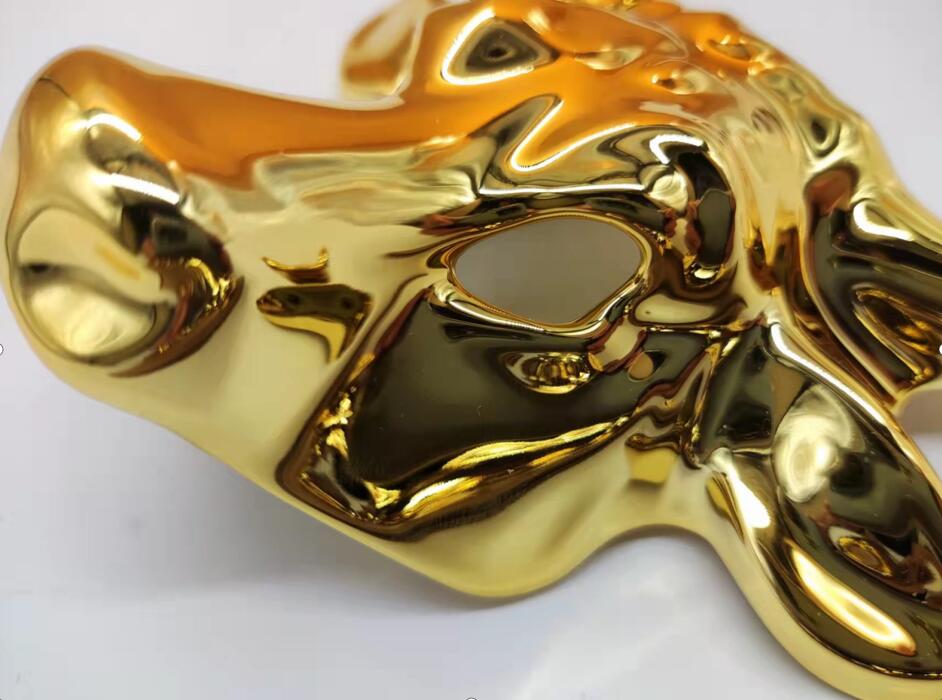
- Author
- 06 November 2025
Electroplating Vs Physical Vapor Deposition (PVD) Coating What is Electroplating?
A technical comparison of electrochemical deposition versus vacuum-based atomic bonding for superior industrial finishes.
Choosing the right surface finish is critical for the longevity and performance of industrial tools and consumer products. Two of the most common methods are Electroplating and Physical Vapor Deposition (PVD). While both aim to coat a substrate with metal, their processes and results differ significantly.
1. WHAT IS ELECTROPLATING?
Electroplating is an electrochemical process where the target tool is placed inside a liquid electrolytic solution. The tool is connected to a cathode (the negative pole of a power supply), while the coating material is connected to the anode (the positive pole).
How the Electroplating Process Works
The negatively charged tool attracts metal ions from the positively charged coating material, forming a layer on the surface. The thickness of the coating is determined by the duration of immersion; the longer the tool stays in the solution, the thicker the layer becomes.
Common Materials and Layers
- Popular Coatings: Chrome, gold, silver, nickel, and copper.
- Layering Strategy: These materials are often applied in multiple layers. For instance, a silver tool may require initial coatings of copper and nickel to provide the necessary structural strength.
- Limitations: You cannot successfully plate certain materials like titanium, aluminum, or most polymers using standard electroplating.
2. WHAT IS PHYSICAL VAPOR DEPOSITION (PVD)?
PVD coating is a vacuum-based process where the tool is placed in a vacuum chamber alongside the coating material. The material is then vaporized and applied to the tool. To ensure a completely uniform finish, the tool is typically rotated and repositioned throughout the process.
The Unique Atomic Bond of PVD
What makes PVD unique is that the coating effectively becomes part of the substrate. Unlike most mold coatings that may crack or wear over time, PVD coatings form an atomic bond with the tool that is incredibly difficult to break.
3. COMPARING PERFORMANCE: PVD VS. ELECTROPLATING
When evaluating these two technologies, several key factors stand out:
- Durability: Compared to electroplating, PVD coatings offer significantly improved scratch and wear resistance.
- Aesthetics: PVD provides a wider variety of color options and can even be applied over electroplated layers to enhance both wear resistance and visual appeal.
- Environmental Impact: PVD is a cleaner, safer process compared to the chemical-heavy environment of electroplating.
- Cost and Complexity: PVD requires complex machinery and highly skilled operators, leading to a higher cost and relatively slower operating speed.
4. EXPERT FINISHING SERVICES AT IN3DTEC
Deciding between electroplating and PVD depends on your specific application, budget, and material requirements. If you want to learn more or enhance your parts with a professional PVD coating finish, please contact IN3DTEC for more information and a technical consultation.