

 English
 Deutsch
 Español
 Français
 Italiano
 日本語
日本語 Русский
 中文
中文Online Urethane/Vacuum Casting Services — Fast, Precise, Low-Volume Production
Create high-quality plastic parts from prototypes to small production runs with diverse materials and finishes.
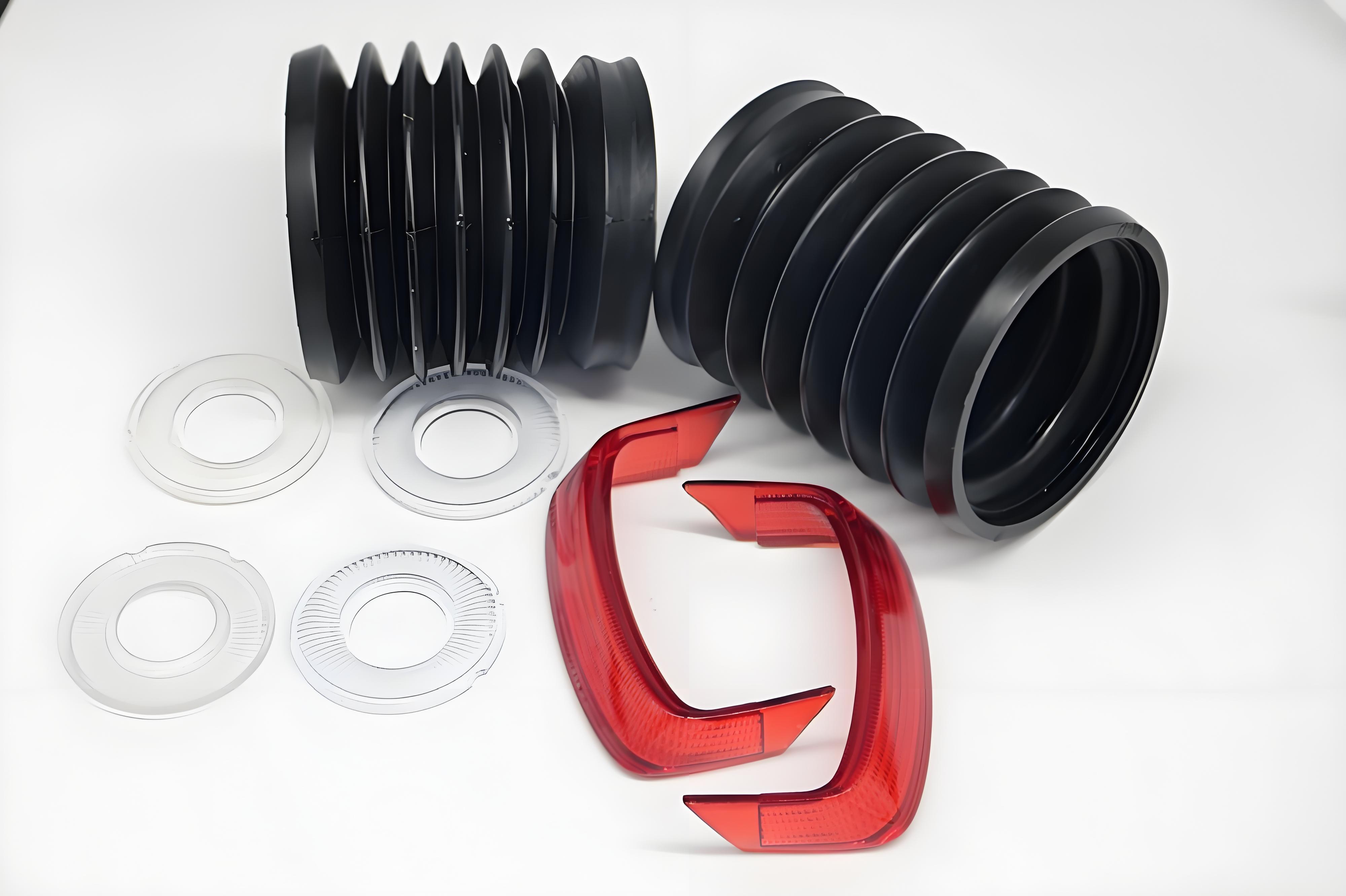







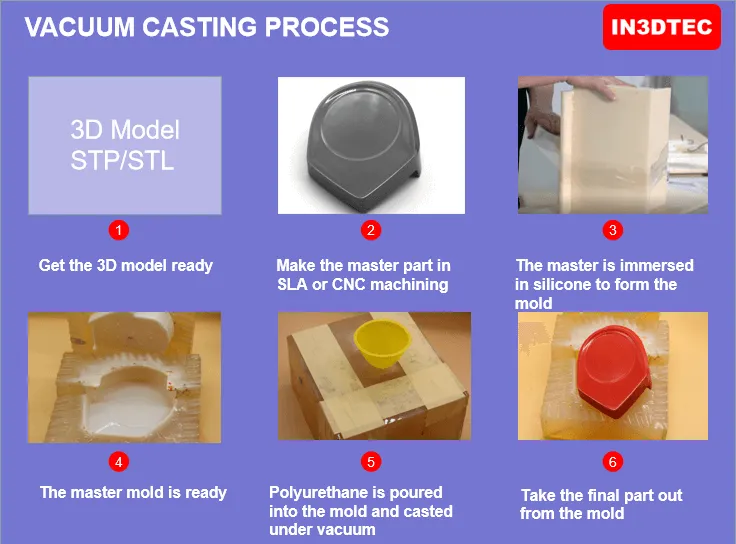
What is Vacuum Casting?
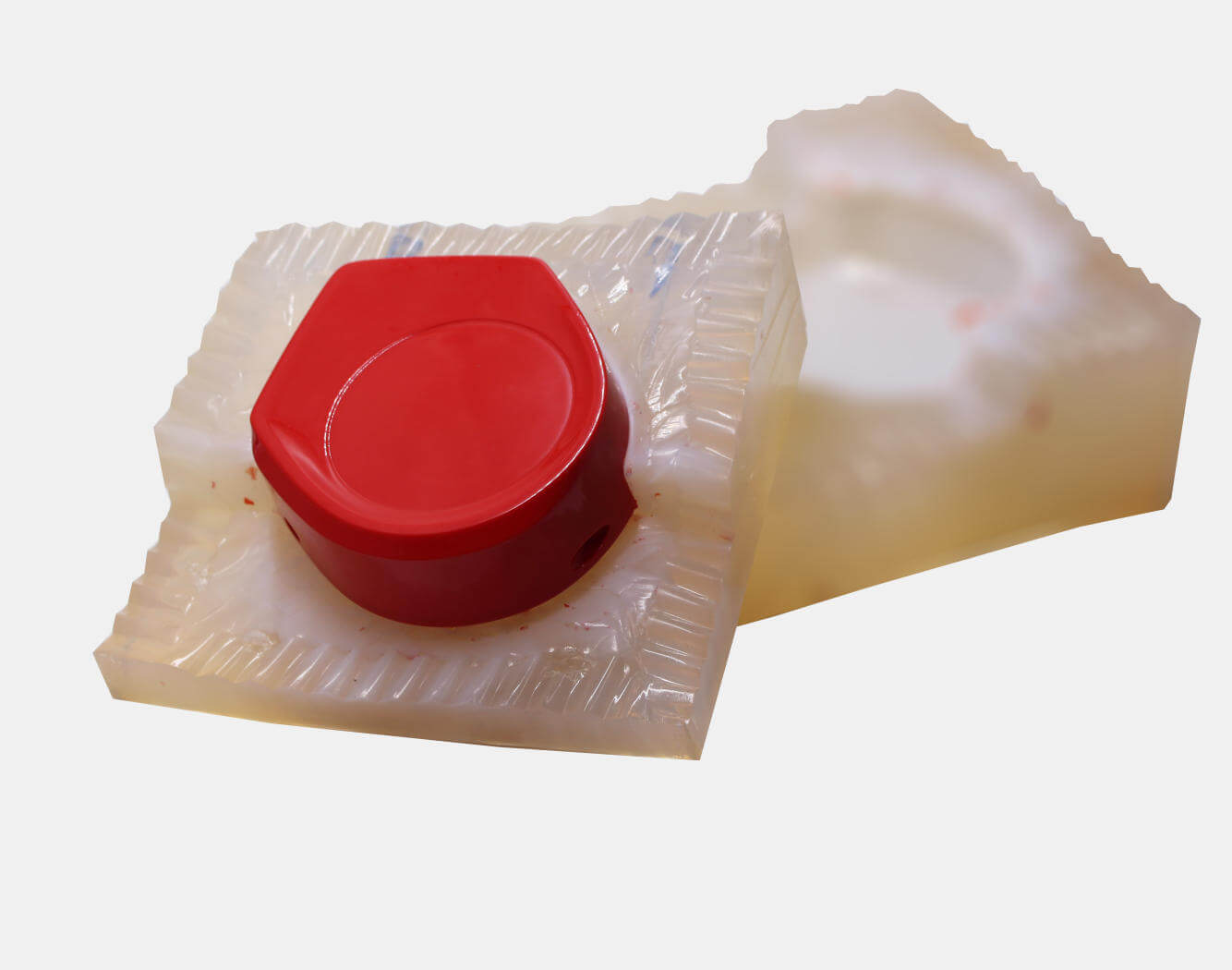
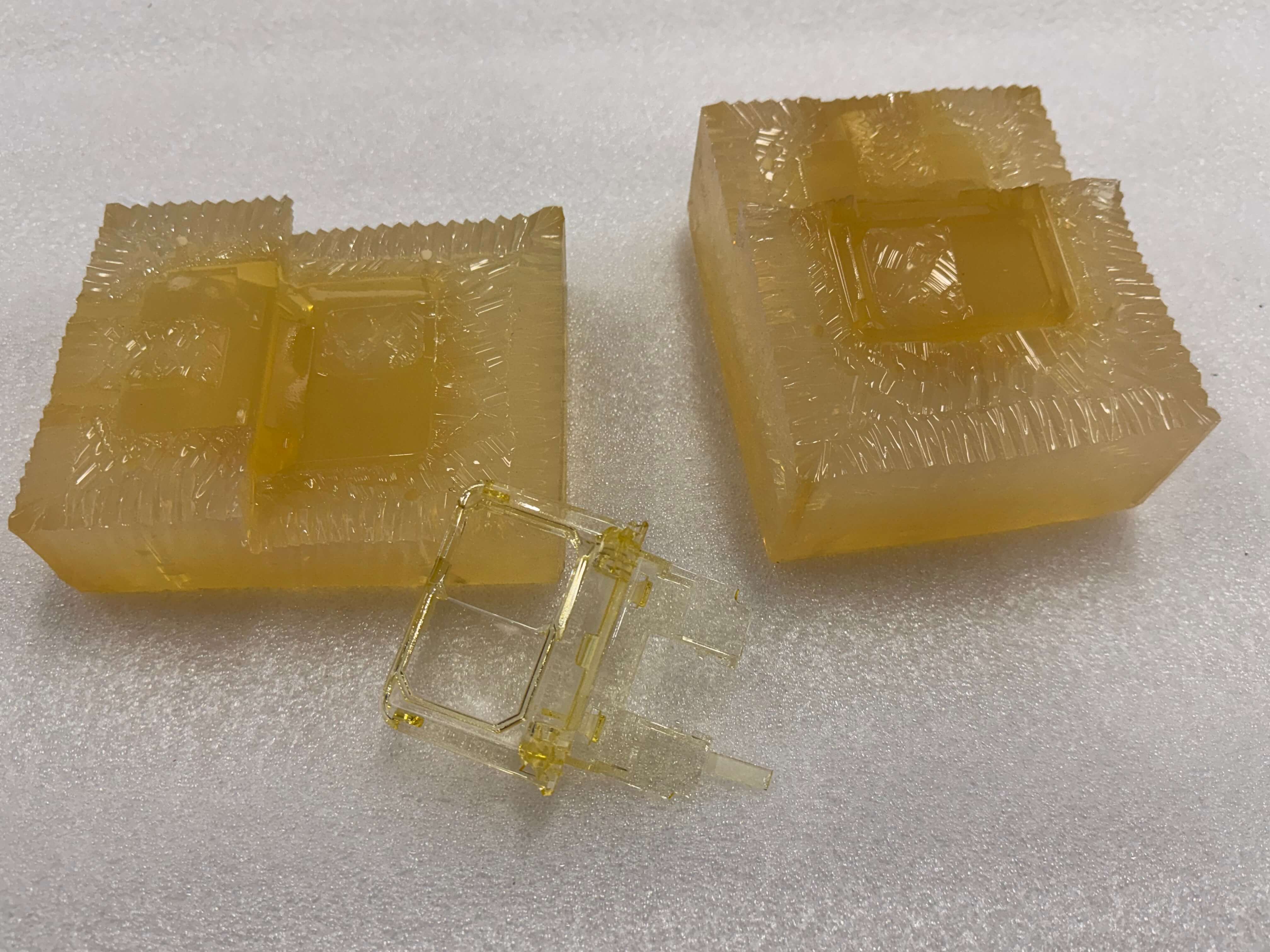
Vacuum casting or urethane casting is a low-volume manufacturing process where silicone molds replicate master models to produce precise polyurethane or resin parts under vacuum, ensuring minimal air bubbles and high fidelity.
- Cost-effective for prototypes and small production runs
- High surface detail and smooth finishes
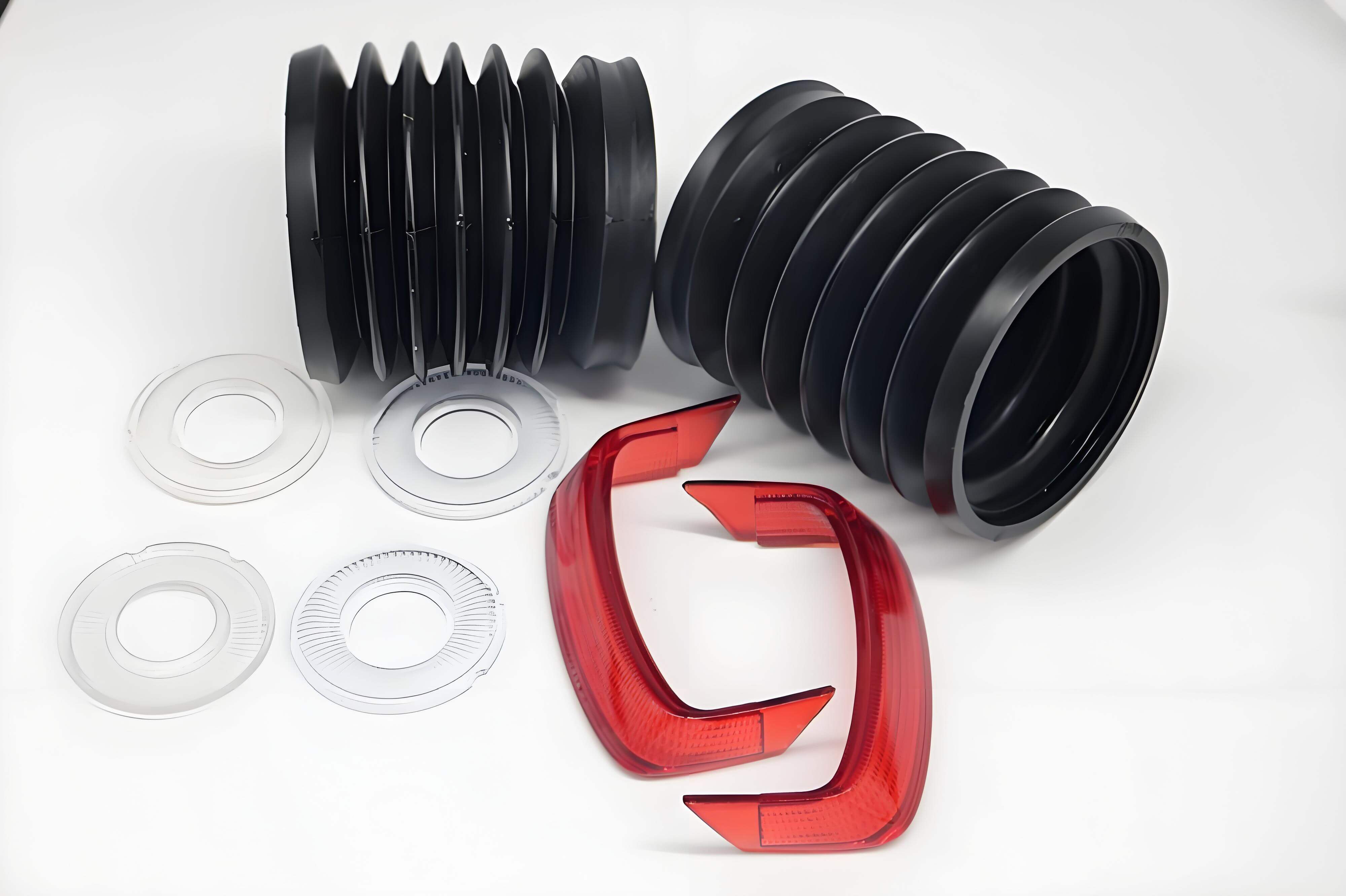
- Multiple material options including flexible, rigid, and transparent
- Rapid turnaround, ideal for design validation
One-Stop Service: From Rapid Prototyping to Mass Production
Taking your design from early-stage testing to full-scale production has never been easier. With our wide range of capabilities, we support your journey from prototyping to mass manufacturing. Let us be the backbone of your success and your trusted one-stop partner
Early Development: 3D Printing, CNC Machining
– Quick-turn parts to validate fit, form, and function at the earliest design stages.
Mid Development: Urethane Casting/Vacuum Casting/Metal Casting
– Highly representative models that balance aesthetics and functionality for deeper design validation.
Production: Injection Molding
– Production-quality parts ready for testing, bridge runs, and full-scale manufacturing.
Vacuum Casting ( Urethane Casting ) Materials
We offer over 10+ vacuum casting materials and a wide range of surface finishes, and we also support customized materials for special projects.
Our Vacuum Casting Capabilities
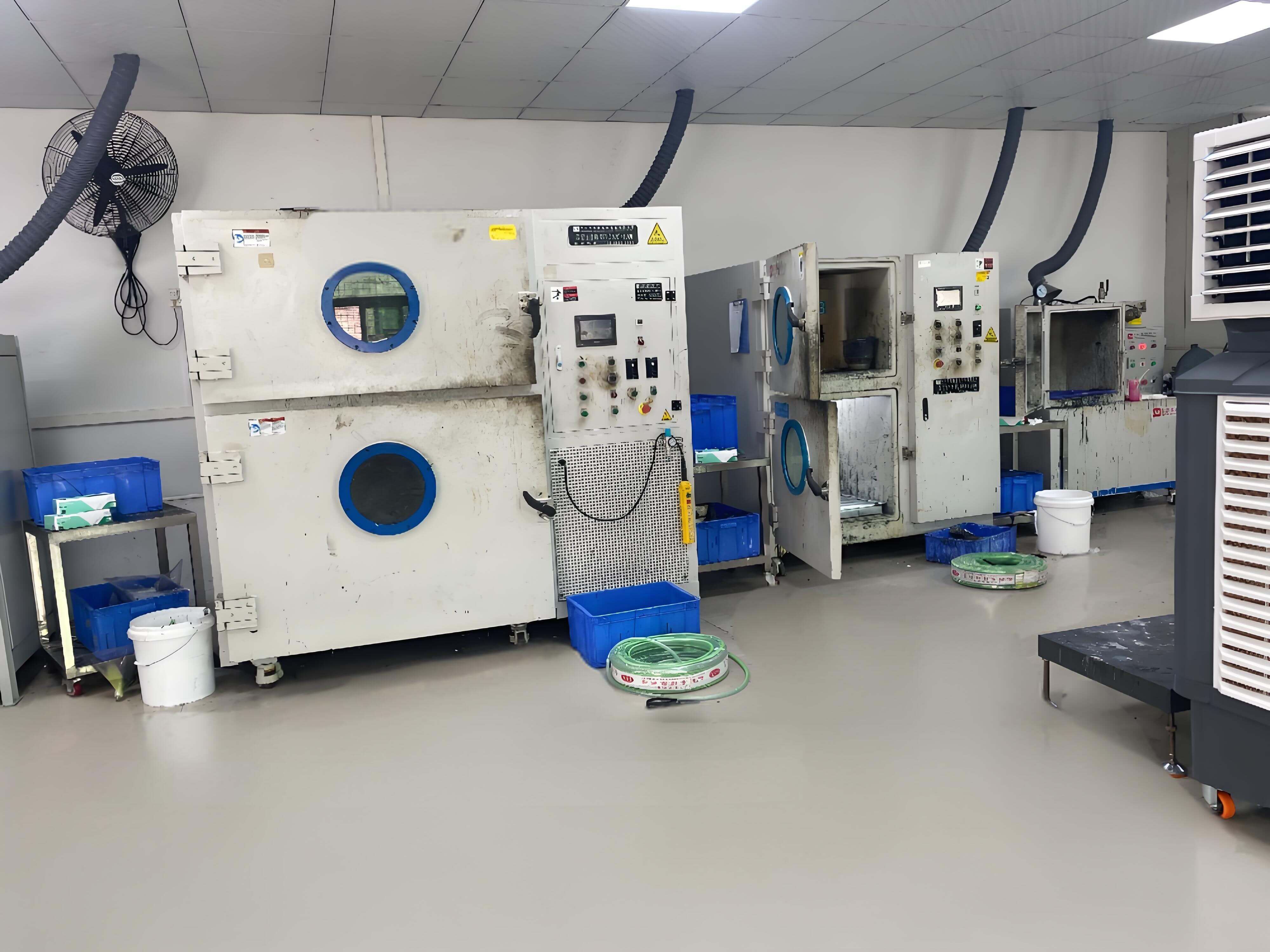
NO MOQ, Vacuum casting is ideal for low-volume production and market validation, allowing fast, cost-effective prototypes that closely mimic final products.
Technical specifications
Max. casted dimensions: 1600 x 1000 x 1000mm
Standard accuracy:+/-0.3%( length under 100mm with +/-0.3mm limit)
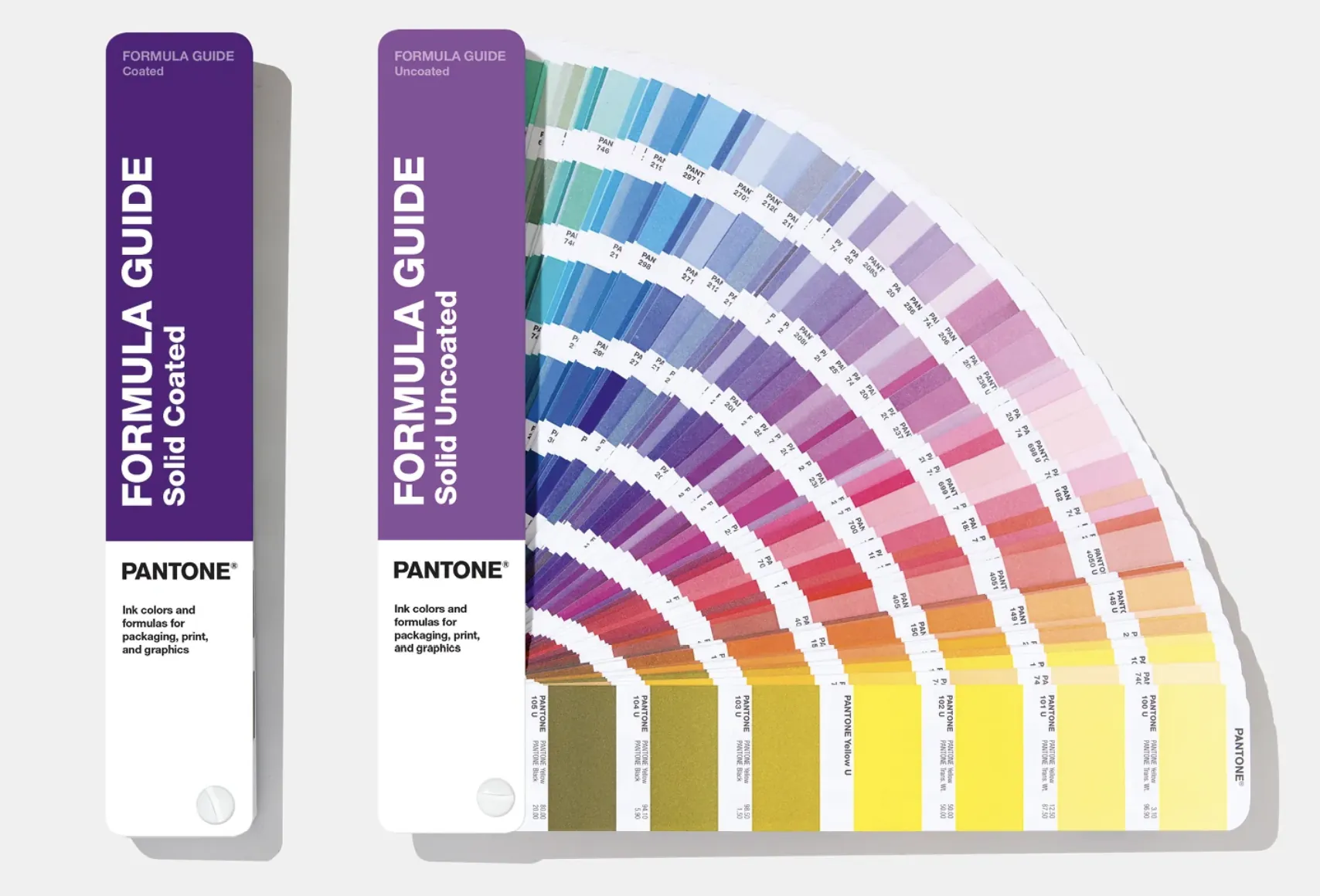
Color: Any customized Pantone No. color
Post process: Overmolding, Matte, Glossy, UV coating, Alcohol resistance coating, or any other finishes.
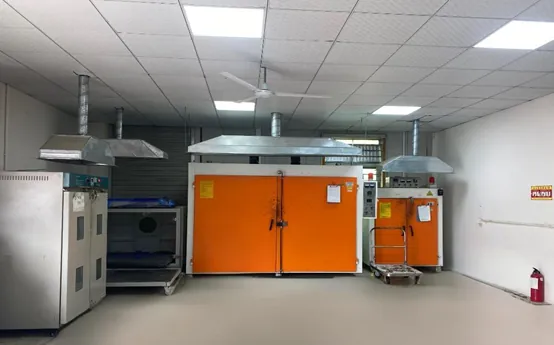
Why IN3DTEC for Vacuum Casting ( Urethane Casting )
From idea to production, we help you get there faster.
500,000 +
– Parts cast each year.
15000+
– Product developers served.
Broad Material Options
– 10+ Plastics, and custom materials.
Fast Turnaround
– Speed without compromising quality.
Expert Support
– Design optimization & engineering guidance.
Strict Quality Control
– Certified processes, reliable results.
Scalable Production
– From prototypes to mass production.
Global Service
– Worldwide delivery & logistics support.
Competitive Pricing
– Flexible and cost-effective solutions.
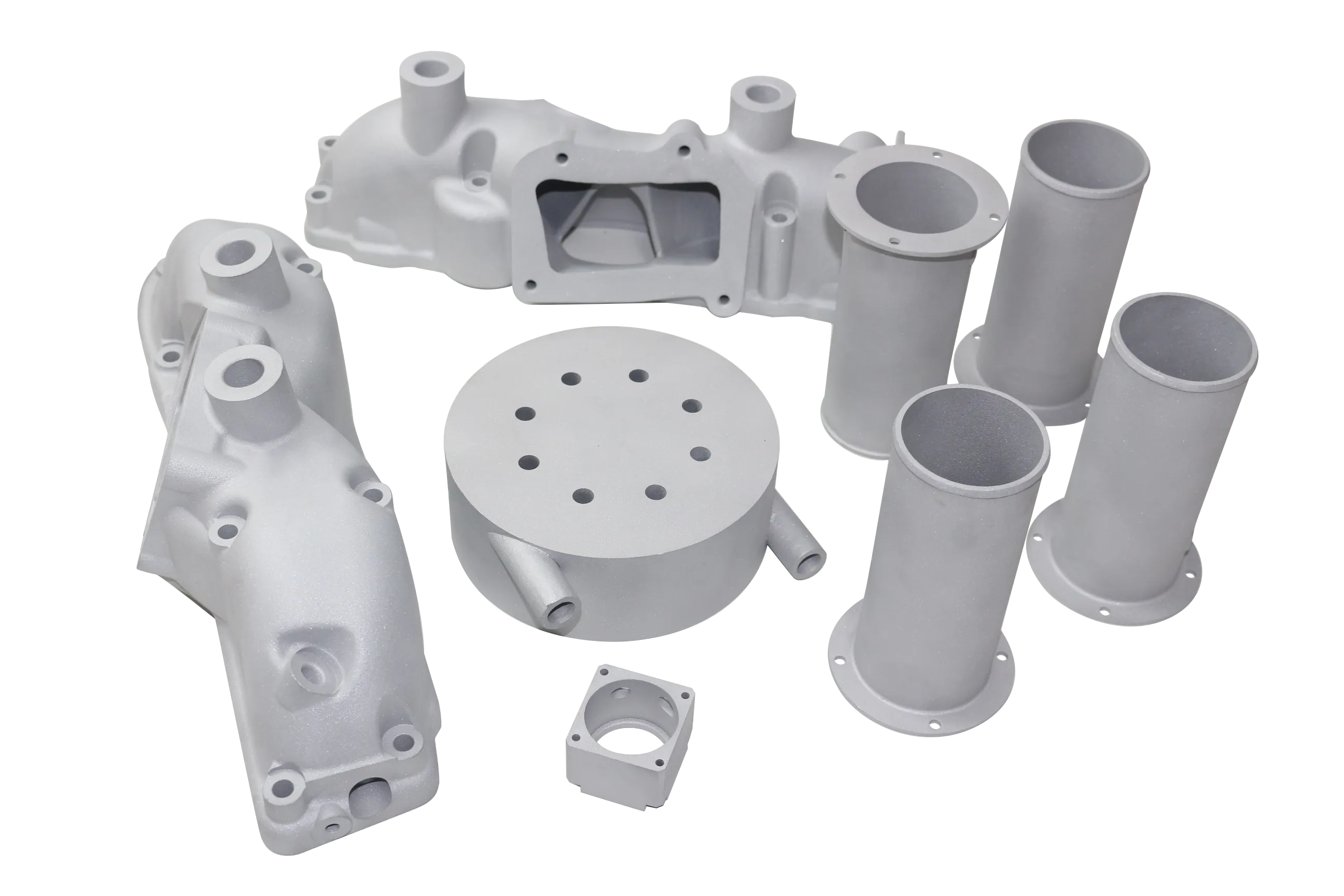
SLM
A complete range of metal materials
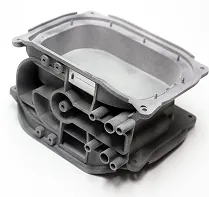
HP MJF
Superior, Consistent part quality
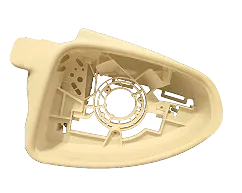
SLS
Superior, and a wide range of functional plastics
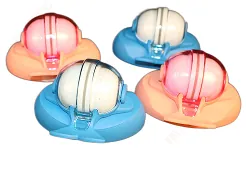
SLA
Extremely detailed copies of real-life objects
From Quote to Delivery
Everything You Need in One Easy-to-use Platform
Our AI-powered online quoting tool delivers prices within seconds and makes order tracking and management effortless. With built-in DFM capabilities, it helps identify design errors early, saving you time and ensuring smoother part production.
No Minimum Quantity | AI-Powered DFM Analysis | Online Order Management | Flexible Lead Time & Shipping Options
“IN3DTEC is a wholly trusted partner. They help us develop new products more efficiently and quickly. High-quality products and competitive prices are also why we recommend them to more people.” Luis Ford at Leica Medical Product Design Team
Excellent 4.9 out of 5 

I regularly use the 3D printing service that IN3DTEC offers and I'm very happy with the end products I receive as well as the quality of service. Parts arrive with very good dimensional accuracy and excellent finish. I also receive great advice about making my prints better. I definitely recommend IN3DTEC!
Dominik Dominiak
First time using and I must say the quality for the part is excellent. The ordering and quoting was very good on the web site. The shipping and turn around time is 1st Class. I would recommend to anyone wanting a top quality part (or parts) and outstand shipping.
Ed Burks
Exceptional service, always willing to work with the customer to ensure parts are built to spec. Quick, reliable turn around, high quality and reasonably priced CNC/3D Printed parts.
Ron Miranda
So happy with IN3DTEC. The communication and customer support is incredible even for small orders they help with every aspect of the project. Can't recommend this company highly enough. Thanks for doing a great job guys. Kindly Nicola
Nicola Loder
Working with in3dtec was great. The communication was really good - they responded always fast and to my satisfaction. Their statement about competitive prices is totally true and the quality is nothing to complain about. Hope in3dtec will continue with their great work. I will definitely order again.
Daniel Kuehnle
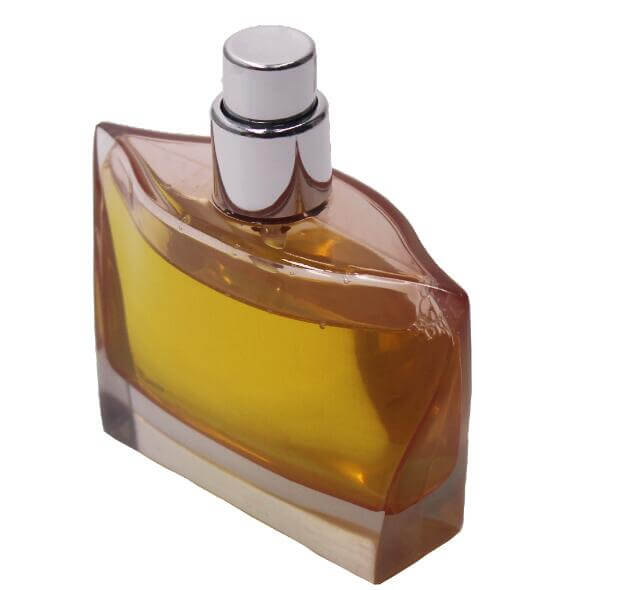
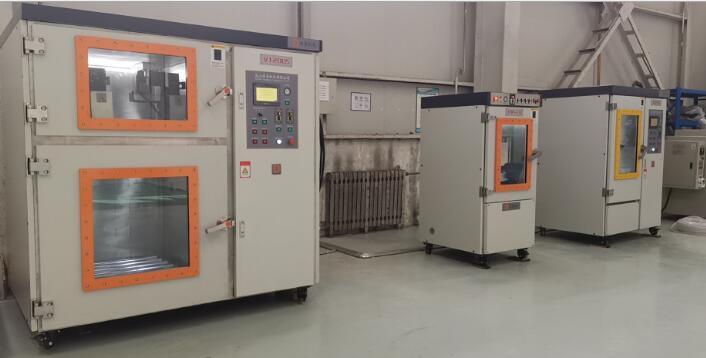
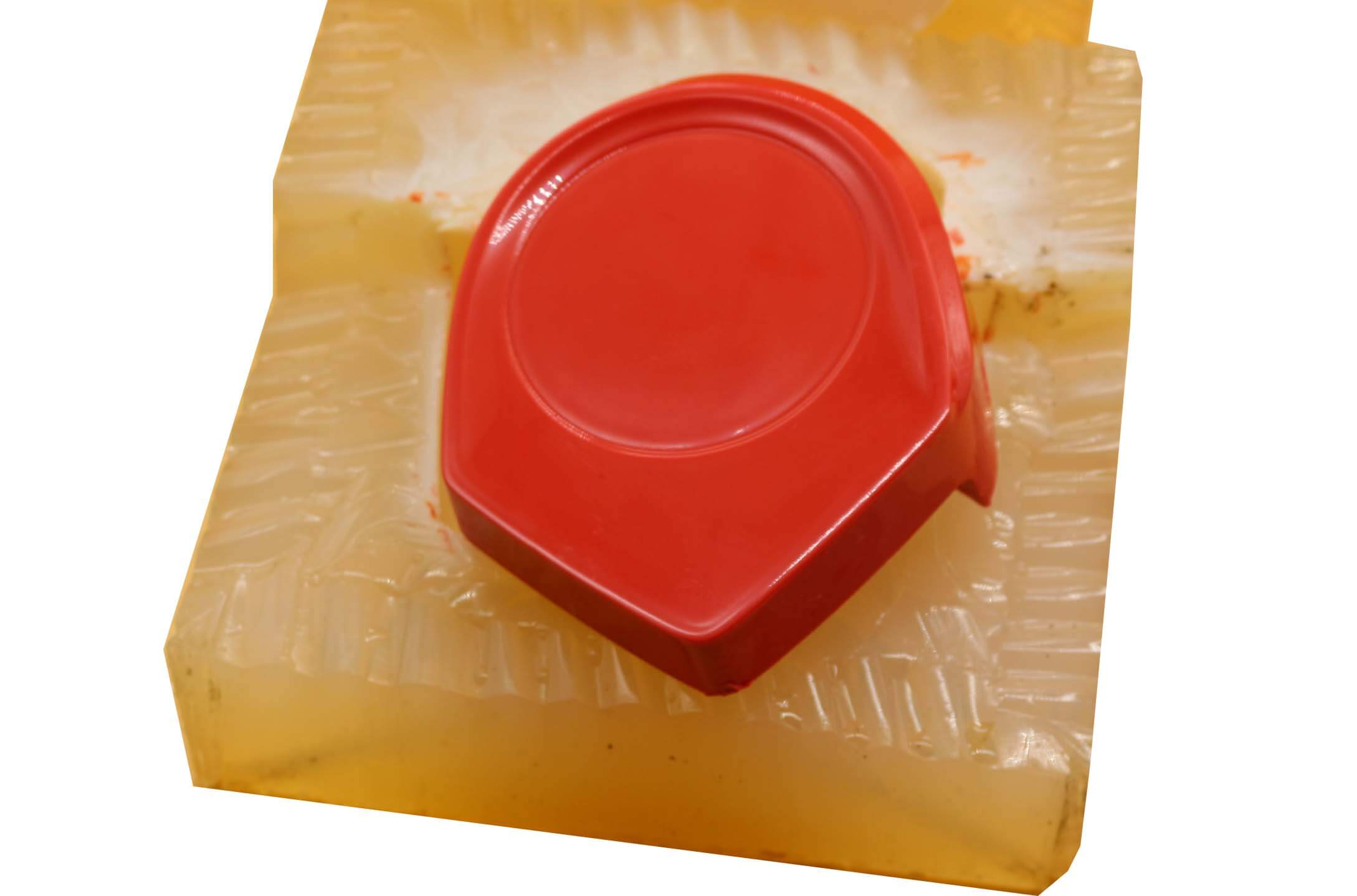
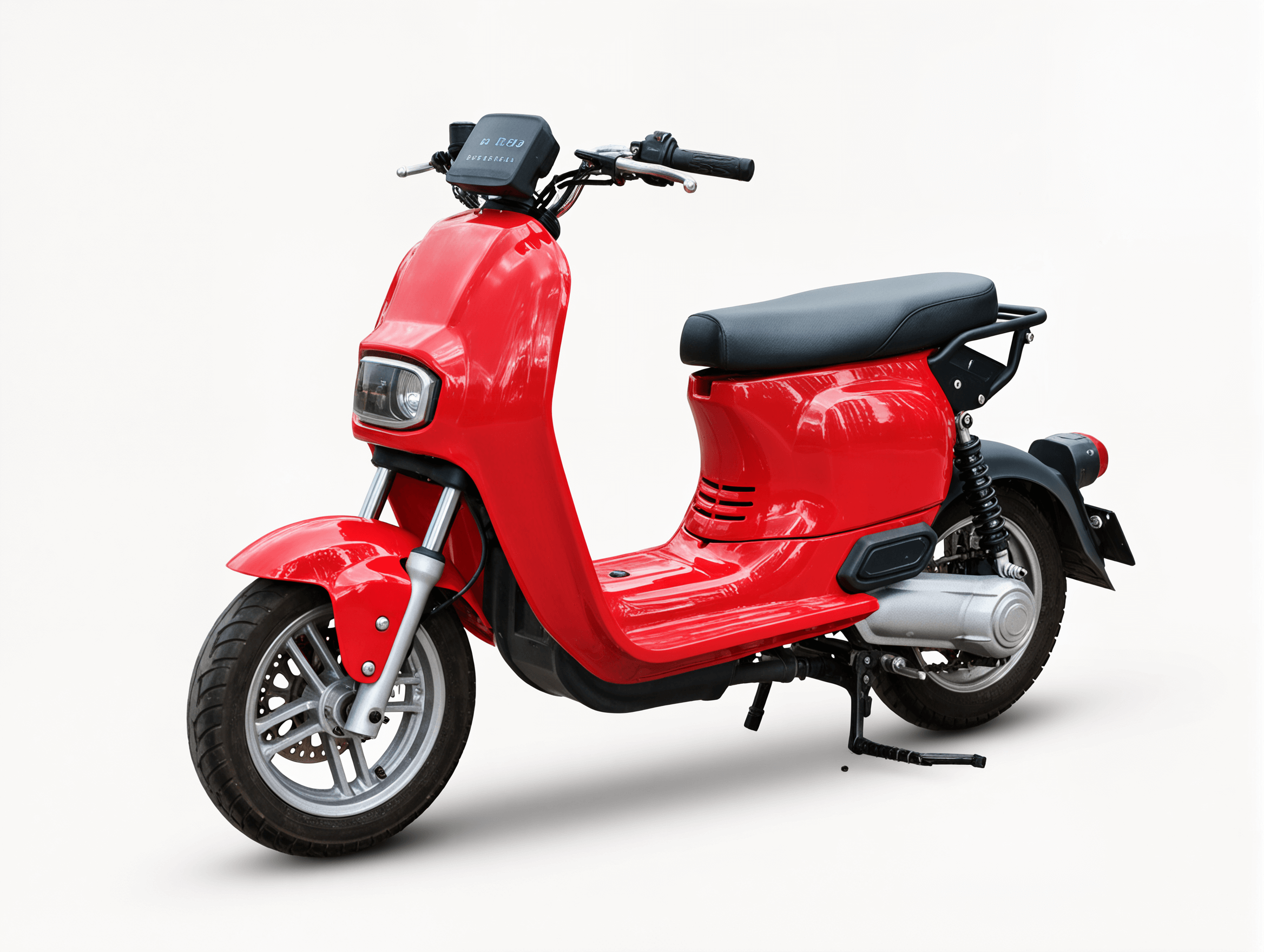
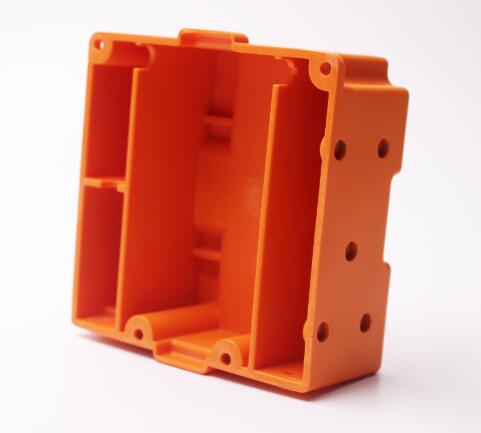
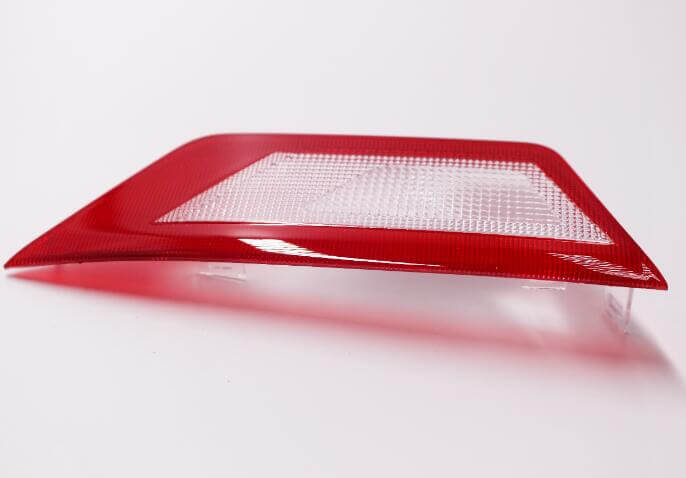
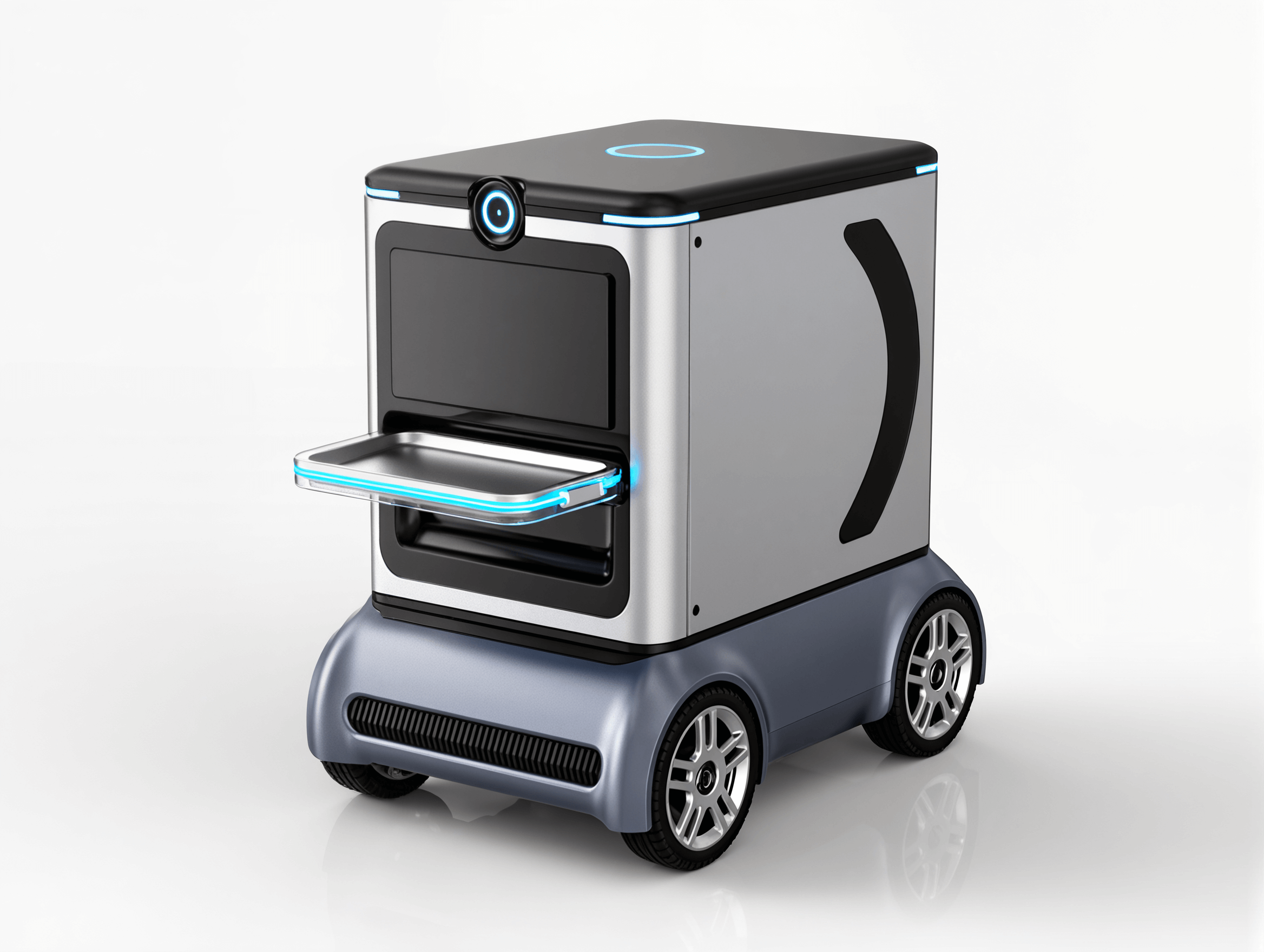
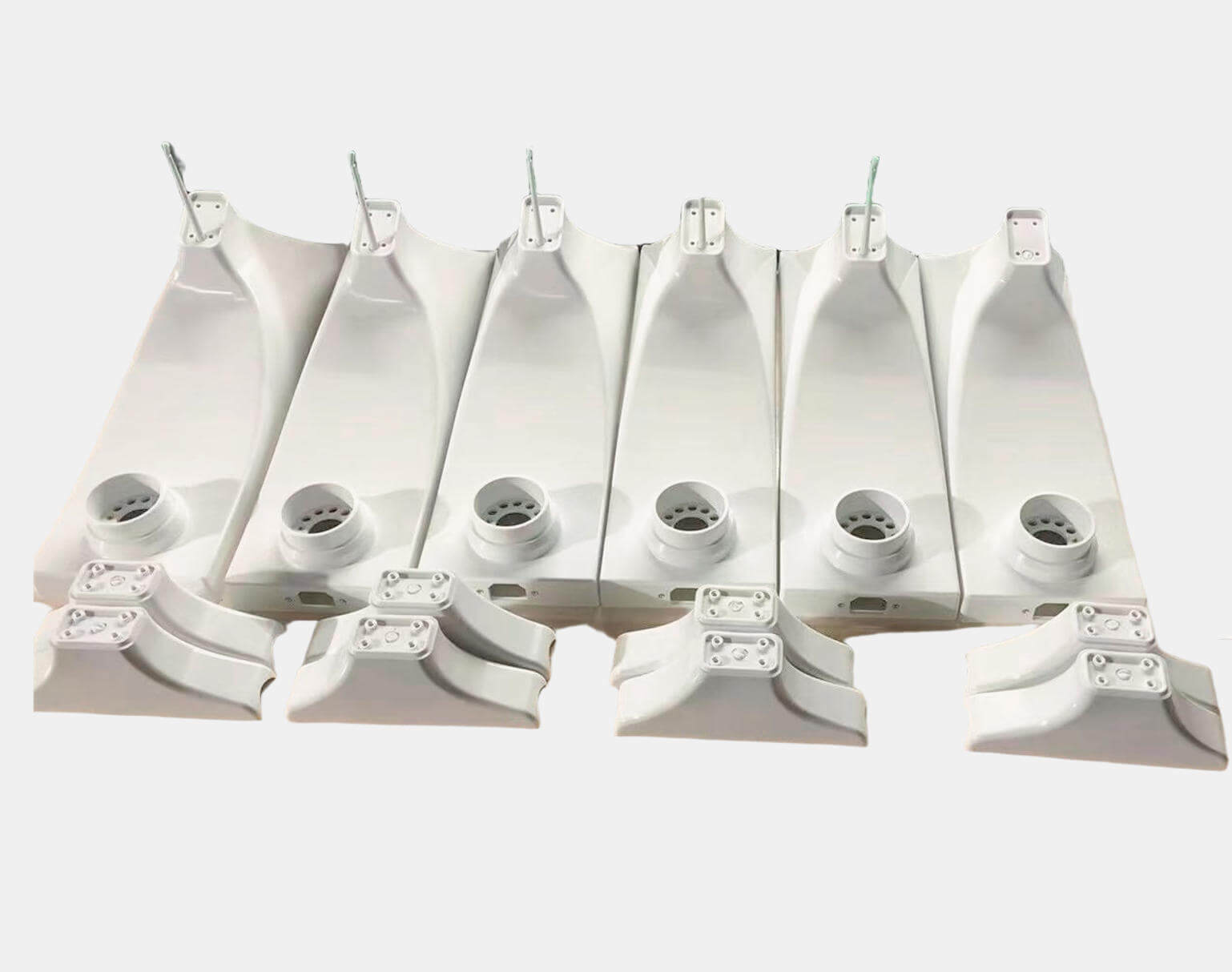
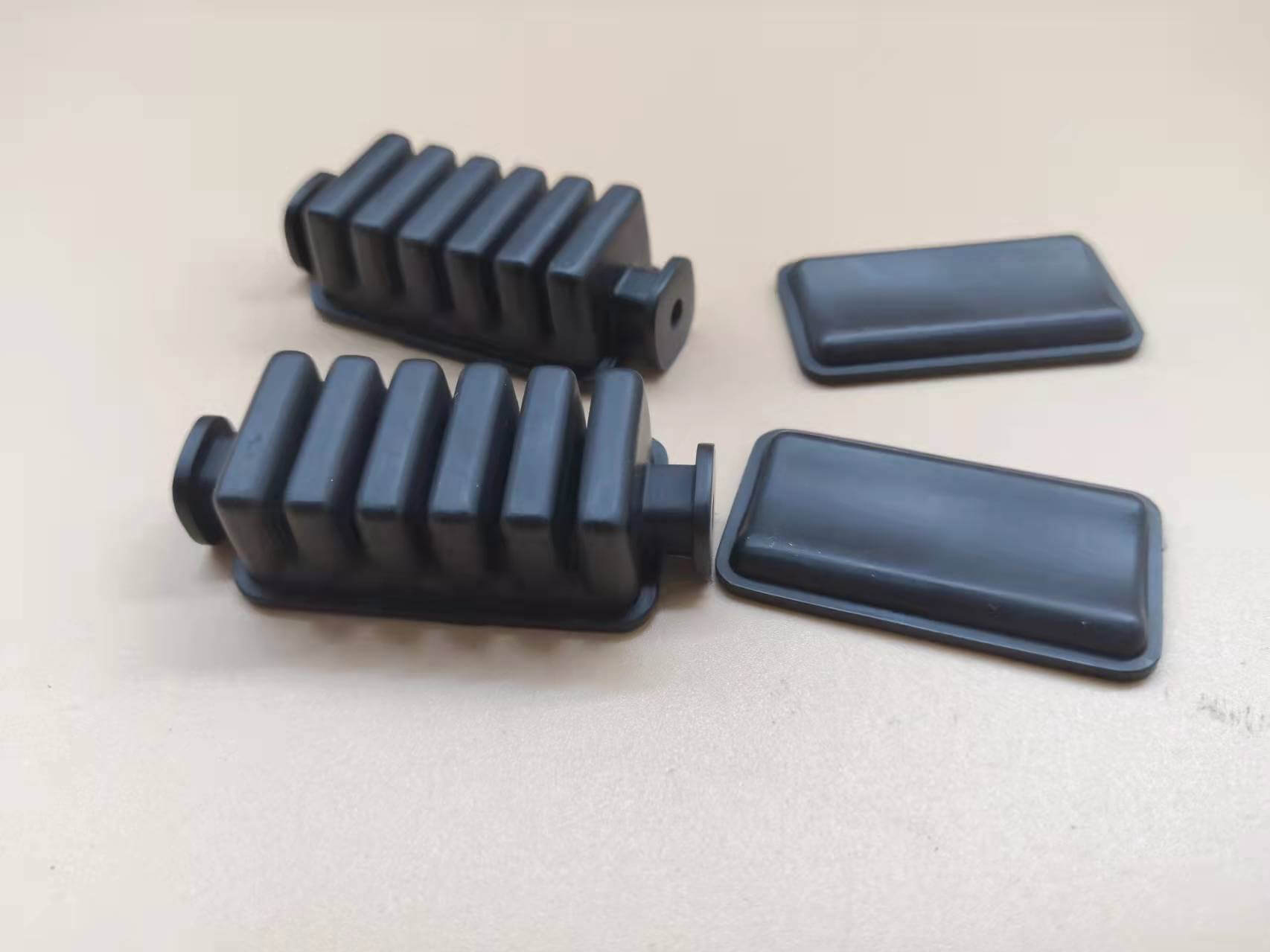
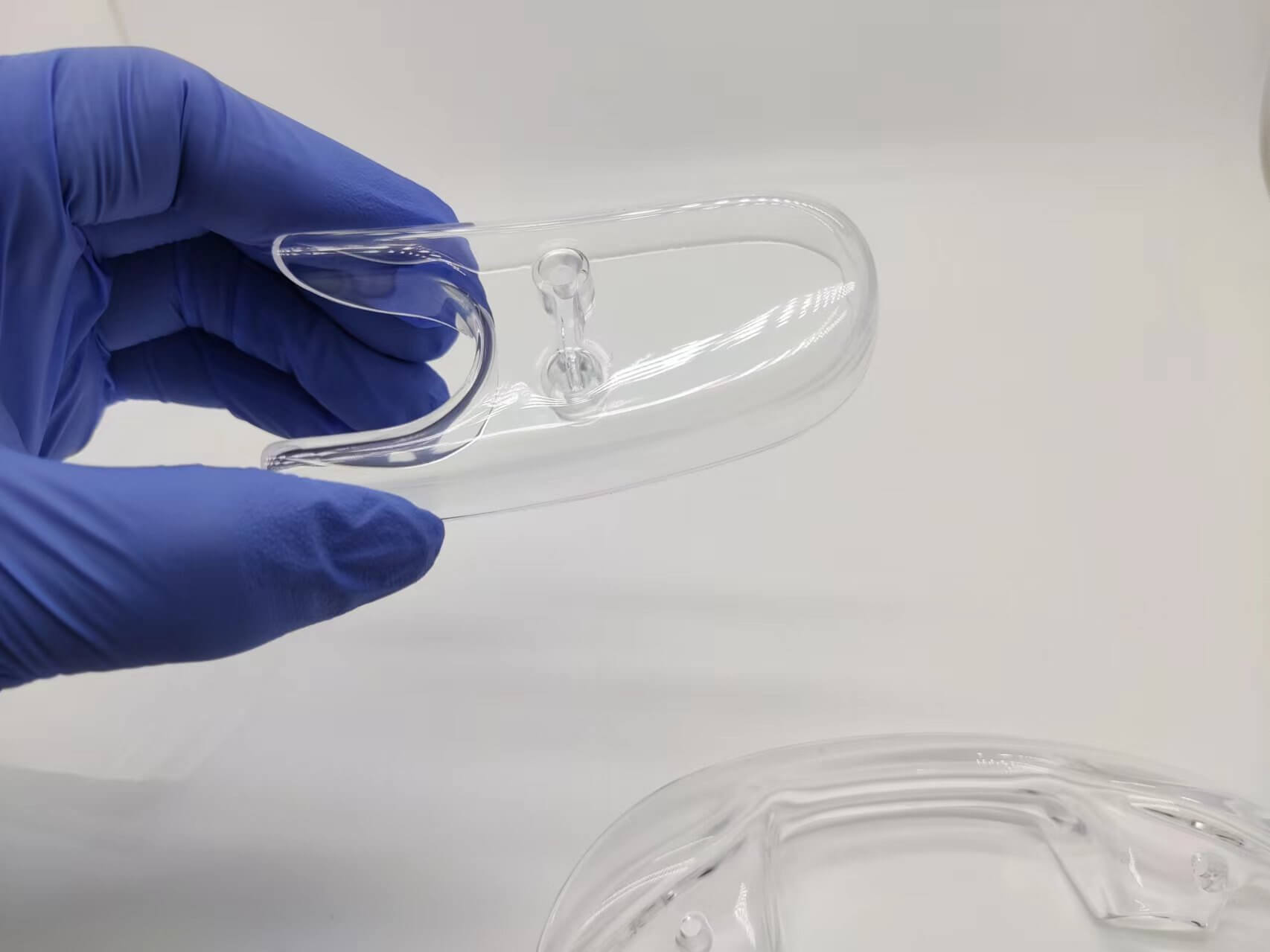
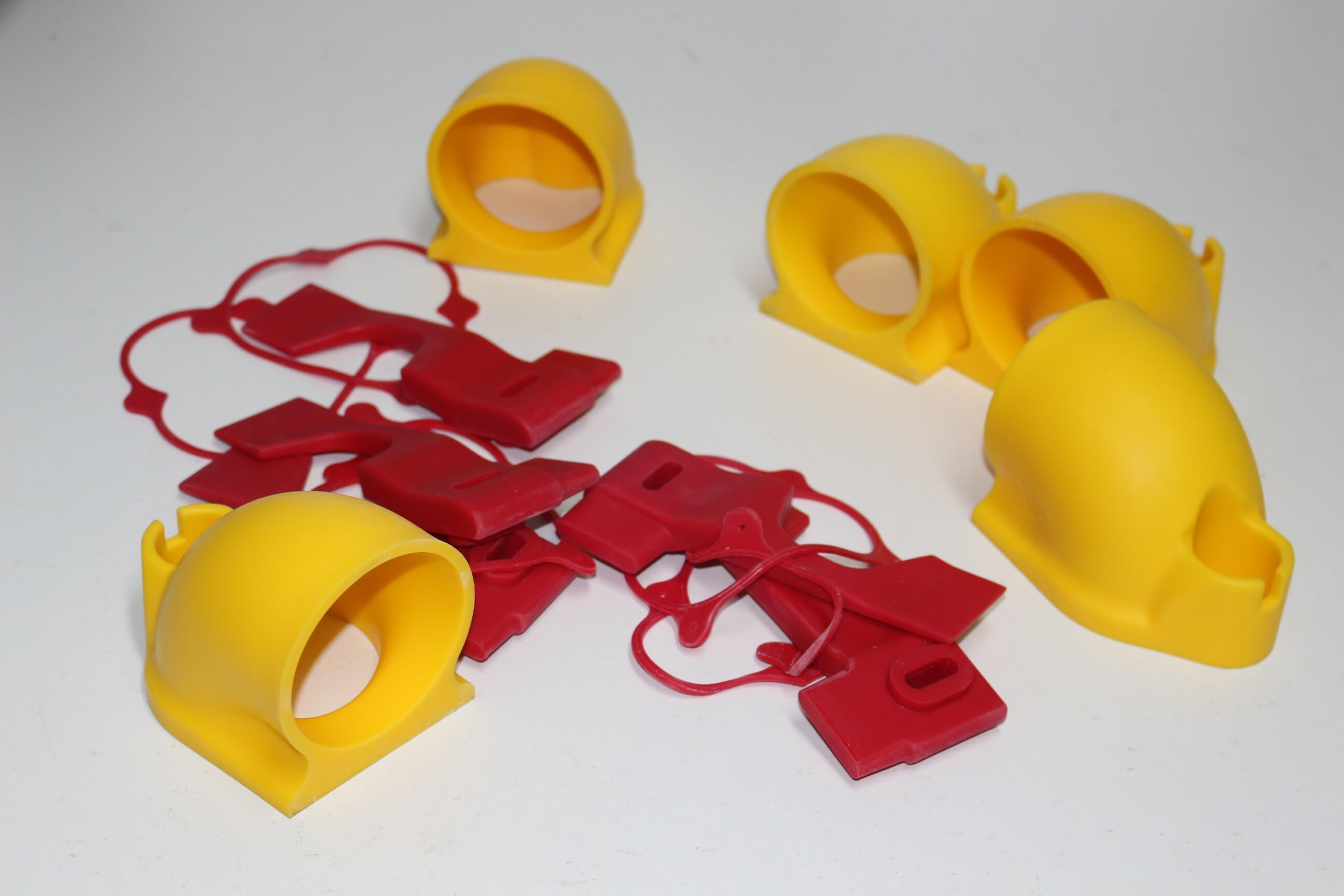
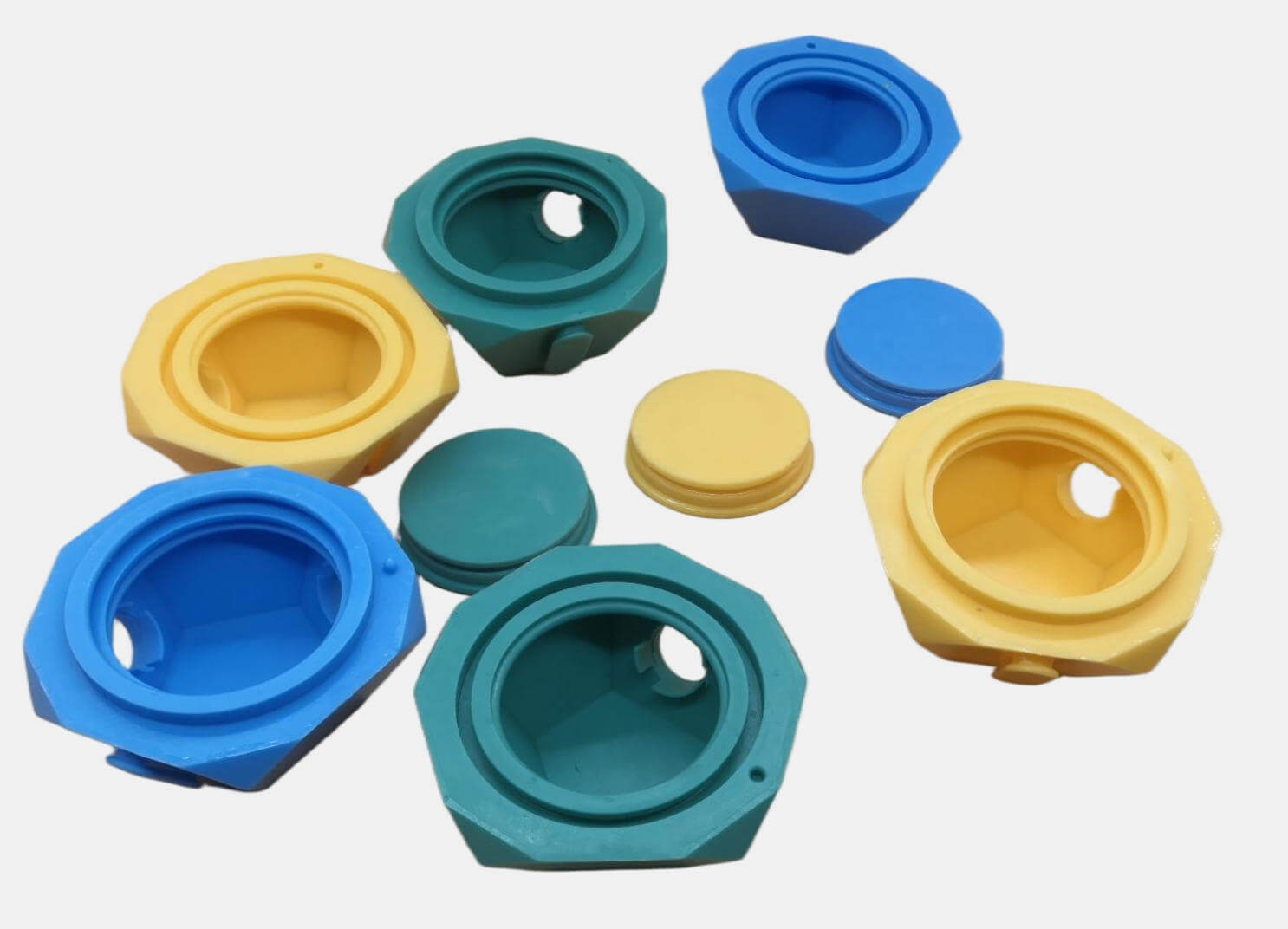
Gallery Of Vacuum Casting ( Urethane Casting )

Surface Finishes for Vacuum Casting
Improve durability and performance with a selection of finishes.Assembly
Overmolding
Adhesive Bonding
Plating
Part Marking/Laser Engraving
Color Matching
Insert
Thread Tapping
How to Work With

Simply upload your CAD files.

Get real-time pricing and DFM insights within seconds. Or ask for manual design help.

Once your order is placed, we’ll begin production right away, and you can track and manage it anytime from your dashboard.

Partnering with FedEx, DHL, and UPS, we deliver your parts fast and on time, worldwide.
Put your Parts into Production Now
Manufacturing Resources
View All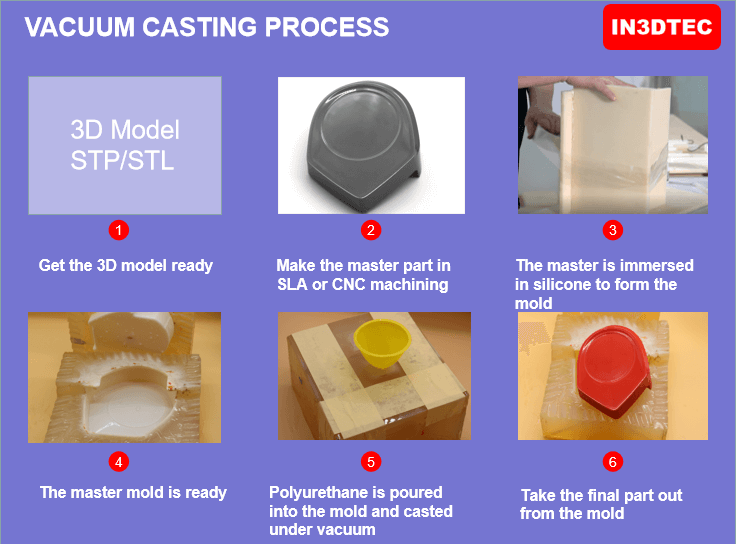
What is Vacuum Casting? Vacuum casting vs 3D Printing Vs Injection Molding vs injection Molding
Vacuum casting vs 3D Printing Vs Injection Molding
Read More
Top Free Tools for Repairing STL Files in 3D Printing
3D printing has revolutionized the way we create objects, but it’s not without its challenges. One common issue that many enthusiasts face is dealing with corrupted or flawed STL files. Fortunately, there are several free tools available that can help you
Read MoreQ & A
A: Typically 15–25 copies, depending on geometry and resin type.
A: Low cost, fast turnaround, excellent surface quality, and suitability for small-batch production.
A: Automotive, consumer electronics, medical devices, robotics, and industrial design prototyping.
A: Typically ±0.3 mm / 100 mm(Min. +/-0.3mm), depending on size and geometry.
A: Yes, both tinted and fully transparent finishes are available, with painting or polishing if needed.
A: Polyurethane resins simulating ABS, PP, PC, PMMA, Rubber (shore A 30–95), and transparent materials.