English
 Deutsch
 Español
 Français
 Italiano
 日本語
日本語 Русский
 中文
中文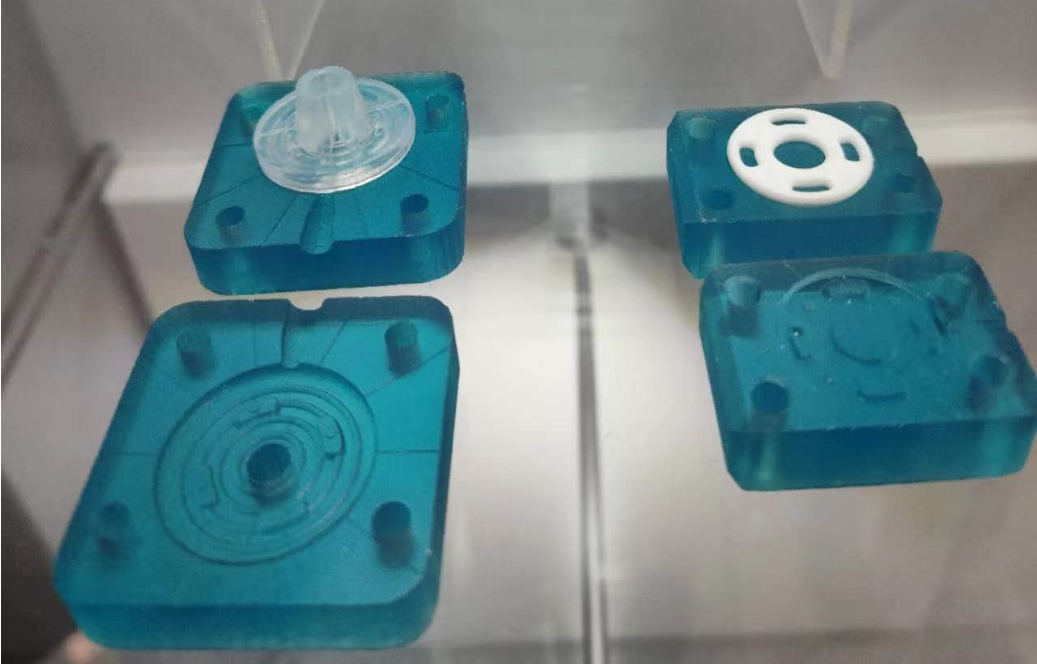
- Author
- 06 November 2025
Exploring the Benefits of 3D Printed Injection Molds
Unlocking manufacturing agility through rapid prototyping and complex, cost-efficient mold designs.
Introduction:
In recent years, 3D printing technology has made significant strides in revolutionizing various industries, including manufacturing. One area where it has particularly showcased its potential is in the realm of injection molds. Traditionally, injection molds have been manufactured using conventional methods, but 3D printing has emerged as a game-changer, offering a range of benefits and opening up new possibilities. In this blog, we will delve into the world of 3D printed injection molds and explore the numerous advantages they bring to the manufacturing process.
1. UNDERSTANDING 3D PRINTED INJECTION MOLDS
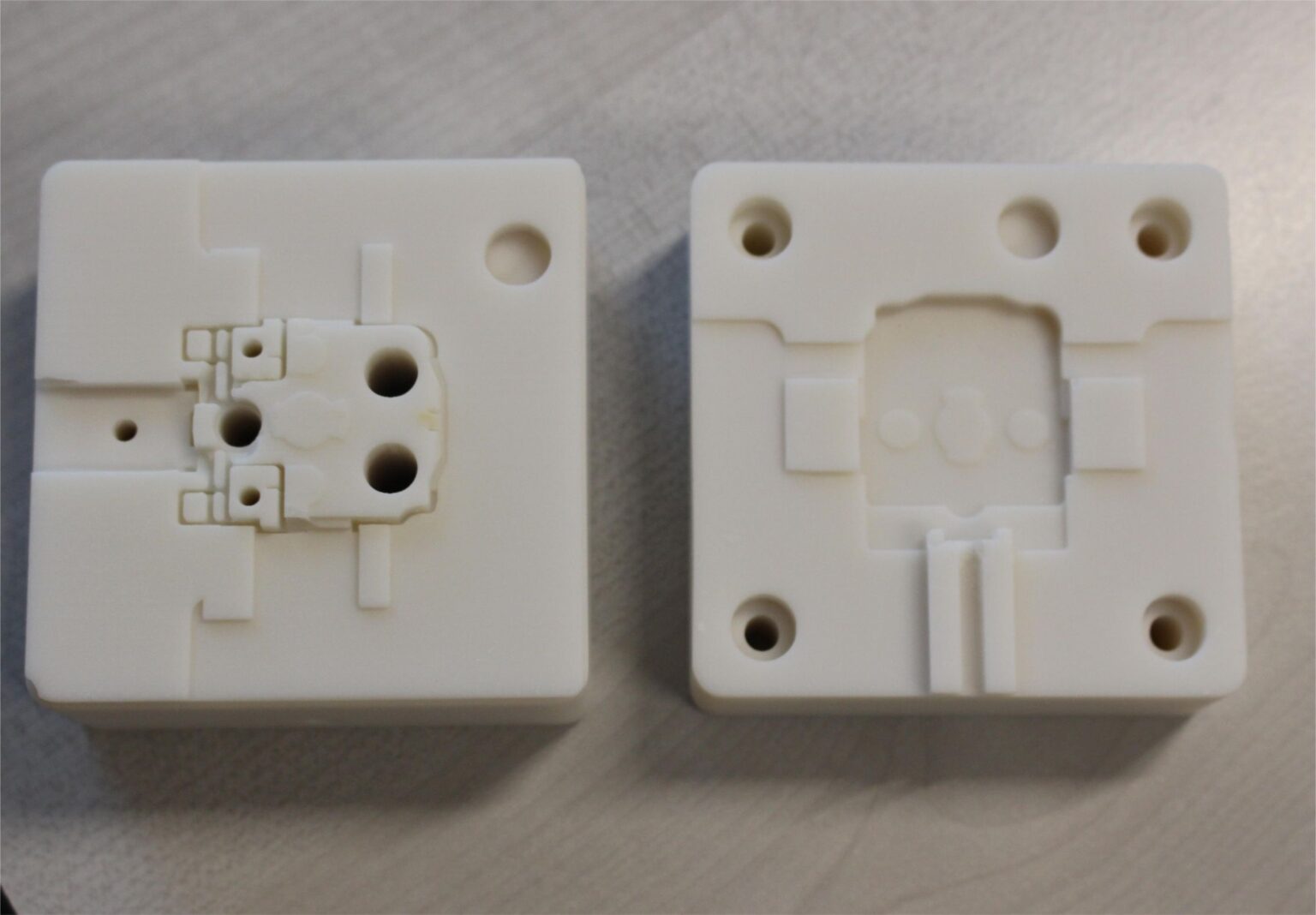
To kickstart our exploration, let’s first gain a solid understanding of what 3D printed injection molds are. We’ll delve into the process, materials used, and the technology behind it. By grasping the fundamentals, we can better appreciate the benefits that lie ahead.
2. ENHANCED DESIGN FLEXIBILITY
One of the key advantages of 3D printed injection molds is the unparalleled design flexibility they offer. Unlike traditional molds, which are limited by manufacturing constraints, 3D printing allows for intricate and complex designs that were once deemed unattainable. We’ll discuss how this freedom in design empowers manufacturers to create innovative and customized products.
3. RAPID PROTOTYPING AND ITERATIONS
Speed is often of the essence in product development, and 3D printed injection molds excel in this aspect. Their ability to facilitate rapid prototyping and iterations significantly reduces the time required for design validation. We’ll explore how this accelerated product development cycle can give manufacturers a competitive edge in bringing products to market faster.
4. COST-EFFICIENCY AND RESOURCE OPTIMIZATION
Traditional manufacturing methods for injection molds can be expensive and time-consuming. In contrast, 3D printing offers a more cost-efficient approach, eliminating the need for expensive tooling and reducing material wastage. We’ll delve into the cost benefits and how 3D printed injection molds can optimize resources, making manufacturing more economically viable.
5. COMPLEX GEOMETRIES AND INTERNAL STRUCTURES
Another area where 3D printed injection molds shine is in the production of complex geometries and internal structures. We’ll discuss how the layer-by-layer additive manufacturing process allows for intricate details, undercuts, and internal channels that were previously challenging or impossible to achieve. This opens up new possibilities for product design and functionality.
6. IMPROVED TIME-TO-MARKET
In today’s fast-paced market, getting products to market quickly is crucial. 3D printed injection molds enable manufacturers to shorten their time-to-market by reducing lead times and streamlining the production process. We’ll explore how this advantage can help businesses stay ahead of the competition and respond swiftly to changing market demands.
7. SUSTAINABILITY AND ENVIRONMENTAL CONSIDERATIONS
Sustainability is an increasingly important factor in manufacturing. We’ll examine how 3D printed injection molds contribute to sustainability efforts by minimizing material waste, reducing energy consumption, and providing opportunities for recycling. We’ll also discuss the role of biodegradable and eco-friendly materials in this context.
8. REAL-LIFE SUCCESS STORIES
To showcase the practical applications and success stories of 3D printed injection molds, we’ll highlight a few notable examples from various industries. From automotive to consumer goods, we’ll explore how companies have leveraged this innovative manufacturing solution to their advantage.
CONCLUSION
As we conclude our exploration of the benefits of 3D printed injection molds, it is evident that this technology has the potential to transform the manufacturing landscape. From design flexibility to cost-efficiency and sustainability, the advantages it offers can drive innovation and propel businesses forward. By embracing this innovative manufacturing solution, companies can unlock new possibilities and gain a competitive edge in today’s dynamic market.